Free guide
How to Record Your Parent's Life Story
In their own voice, while there's still time.
I'm Neil. I've spent 400+ hours recording life stories with 38 families across 7 countries. This is everything I'd tell a friend who asked where to start.
You don't need studio equipment, and you don't need to be a journalist. You need a phone, a quiet room, and one good question.
Why audio, and not video or a book?
A camera makes people perform. A blank page makes most people freeze. A voice recorder sits on the table and gets forgotten about, and that's exactly what you want.
Audio is also the thing you'll miss most. Photos show you what your dad looked like. A recording lets you hear how he laughed at his own punchlines, the pause before a hard answer, the way he said your name.
And it's the easiest lift for them. No lighting, no makeup, no "are we rolling?" Just a conversation over a cup of tea.
If you want to download a copy of this, I've put it in a guide here.
How to bring it up without it being awkward
This is the part everyone worries about, and it's simpler than you think. Don't announce a project. Don't say "I want to record your life story", because that sounds enormous and slightly funereal.
Instead, ask one small question about one specific thing:
- —"What was your first day of school like?"
- —"How did you and mum actually meet?"
- —"What were you doing at my age?"
When they answer, and they will, say: "I love that. Can we do more of this, and can I record it? I don't want to forget it." Almost nobody says no to that.
If they're reluctant, a sibling or grandchild asking often works better. Being asked by someone younger reframes it: it's not a memoir, it's a gift to the kids.
What you need
- 1.A phone with a voice recorder app. The one already on your phone is fine. Put it on the table between you, screen down, and forget about it.
- 2.A quiet room. Kitchens and living rooms are perfect. Turn off the radio, the telly and the dishwasher. Soft furnishings are your friend; echo is not.
- 3.Sixty to ninety minutes. Shorter than that and you're just warming up. Longer and everyone tires. Several short sessions beat one marathon.
- 4.A handful of prompts, not a script. A question expects an answer. A prompt opens a door. "Tell me about a regular Saturday morning when you were ten" will get you further than "tell me about your childhood".
How to run the conversation
Start easy. Childhood, first home, first job. Warm-up territory they can talk about forever.
Follow the energy, not your list. When their voice changes or their eyes light up, stay there. The best stories are the ones you didn't plan to ask about.
Ask for senses, not summaries. "What did the house smell like?" gets a story. "What was your house like?" gets an estate agent's description.
Let silence do the work. When they pause, count to five in your head before you speak. The thing they say after the pause is usually the thing you'll treasure.
Don't correct the record. If a date is wrong or a name is muddled, let it go. You're recording their truth, not fact-checking a documentary.
What to do with the recording afterwards
Back it up the same day. Two copies, in two places. A cloud folder and a hard drive is enough. These files will matter more to you every year.
Label everything. "Mum, 14 March 2026, childhood and first job." Future you, and your children, will be grateful.
Share it while they're here. Play a favourite five minutes at a family dinner. Watching your parent hear their own story land with the people they love is part of the gift.
What to ask
The questions matter more than the kit. I've put together the 107 prompts I actually use, from childhood memories to what makes a good life. Free, no email required.
If you'd rather it was done with you
Everything above works, and I hope you do it. But if you'd rather sit back while someone who has done this 38 times asks the questions, shapes the story and hands you a finished audio documentary of your parent's life, that's what I do.
A 12-week guided experience where I interview your family and turn your parent's life story into an audio documentary. No pressure, no sales pitch, just a conversation about what this could look like for you.
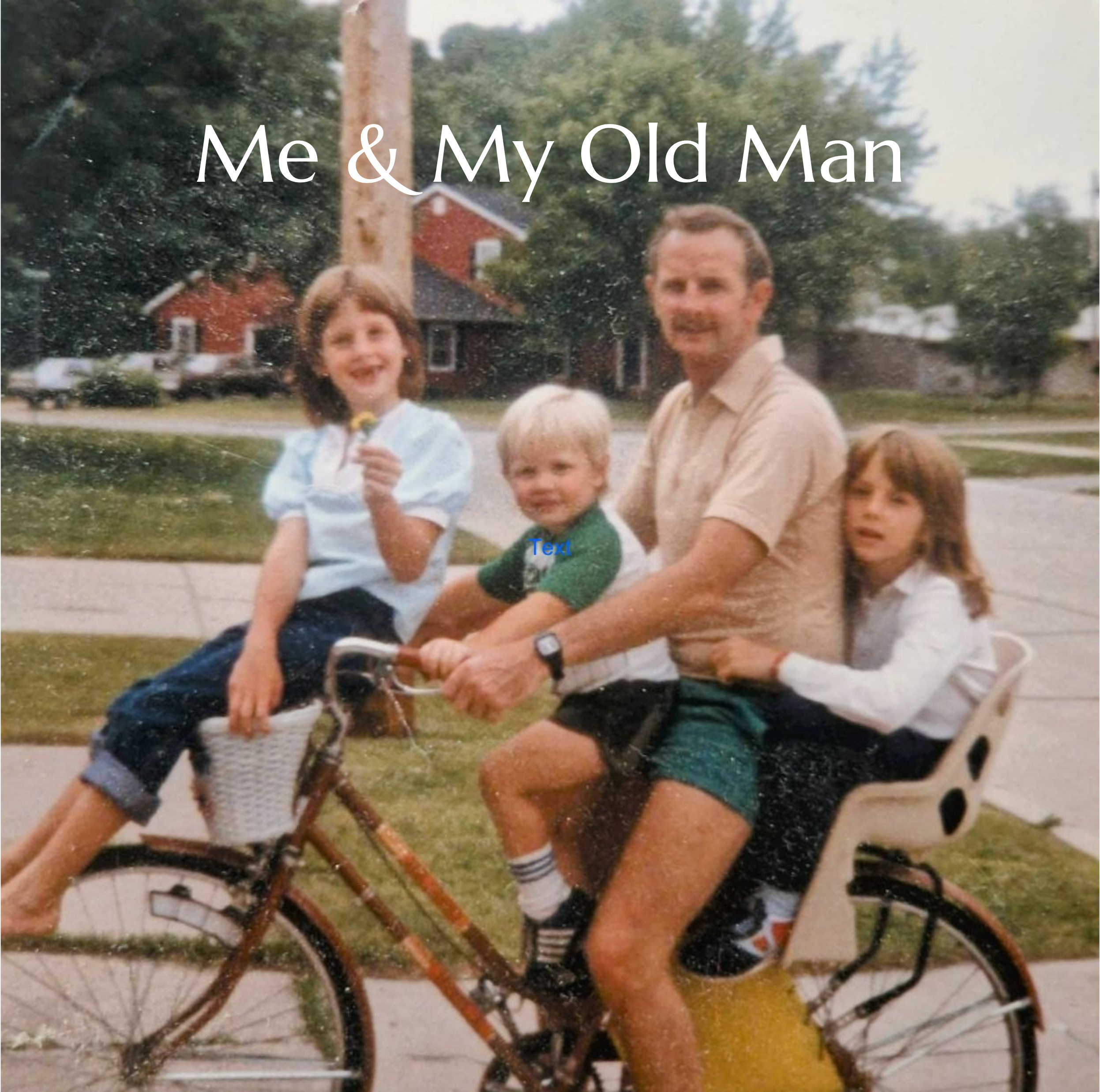
Me & My Old Man
I'm Neil Taylor. In 2021, I lost my dad. I tried to help him write his story, but it was slow, hard, and it didn't sound like him. Then he was gone. Along with his stories. His voice.
That's why I built this.